
It is very difficult to measure the quality of care in dialysis patients because it cannot be scaled or held against a measuring tape and can be able to analyze its composition. There are no direct measures of quality of care. Modification of physical stressors, improved support to dialysis patients, enhancing the quality of dialysis procedure provided by the treatment team, upgrading the facilities and equipment, and adaptation of an interdisciplinary approach are all believed to improve the care services. Still, we must keep in mind that for many dialysis patient’s quality of lives is more important than hospitalization. When patients and healthcare teams work together quality of care goals can be easily achieved associated with better survival and better patient's perceived quality of life. Quality of life plays a very important role in every patient’s life and healthcare providers must understand the needs and requirements of patients which help to improve the care services provided to them.
Tag: Peritoneal Dialysis
Breathing Difficulty in Dialysis Patients

The lungs in dialysis patients are liable to suffer from any disturbance in water and electrolyte balance. The difficulty in breathing is due to anatomical and physiological changes that happen without any signs and symptoms especially blocking of pulmonary vessels and small bronchi due to calcification is very common and is highly asymptomatic. To diagnose this, Pulmonary Function tests to be done to check vital capacity, defect in gas transfer and severity of lung calcification in dialysis patients regularly is highly recommended.
Dialysis during Viral Outbreak

Severe infectious diseases like Coronaviruses (CoV), Ebola, etc are said to be public health emergencies and the outbreak of these diseases ends in tragically disruptive events. The prevalence of viral outbreaks among patients treated in hemodialysis facilities is five times higher than among the general population and predisposes the patients to serious consequences. One of the major reasons for the viral outbreak is inappropriate risk management. And the outbreaks are exacerbated when seen along with natural disasters, power outages, and civil disturbance. In the middle of the widespread of infectious diseases, Health Care Workers (HCW’s) experience a huge amount of contact with the patients and thus subject to substantial risks, these risks increase with shortage of HCW’s at the period of outbreak and become worse with lack of supply of personal protective equipment (PPE) and basic reserves such as power and water.
Carbon Dioxide Removal by Dialysis

A dialysis patient is said to be an acid accumulator for about 44 hrs (Interdialytic period) followed by 4 hrs effective period of retitration (Intradialytic period) which can be accompanied by various degrees of hypoxemia (decreased oxygen in the blood). Hypoxemia occurs because during dialysis Co2 tends to diffuse across the dialyser membrane resulting in decreased Co2 concentration in the blood (pCo2) causing hypoventilation (slow breathing rate) in dialysis patients.
Phosphorus & Dialysis: The Most Neglected Mineral Which Causes Chronic Disorder In Dialysis Patients
Phosphorus is present plentiful in our body next to calcium and it plays a very important role in bone metabolism energy metabolism and formation of cells. It is richly present in our teeth and bones. Our body utilizes phosphorus to keep our bones and teeth’s strong, to provide energy by helping to break down fat protein and carbohydrates, as a source to produce hormones and mainly maintain normal pH balance of our body.
How To Overcome Thirst Avoid Fluid Overload And Still Manage To Stay Well Hydrated In Dialysis Patients

Thirst is one of the most powerful urges one can ever have. Especially in dialysis patients, Thirst if not handled in the right way might lead to Fluid Overload which always results in hypertension which damages the heart, causes swelling in arms and legs, puffiness of the face and sometimes breathlessness due to fluid accumulation in the lung cavity making dialysis treatment very difficult.
Complications Of Dialysis
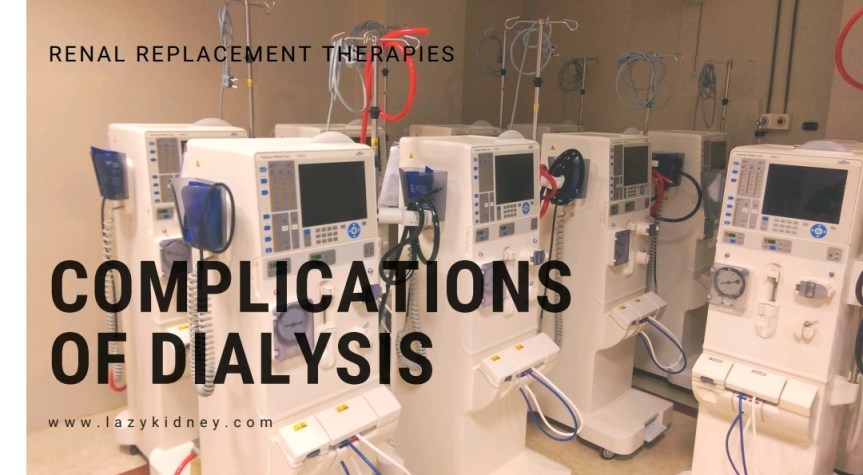
From 7 decades we are treating renal failure patients with dialysis and we came across many complications of this procedure. In this post, we go through a few of the common complications of dialysis, how to avoid and treat these complications and improve the quality of life on dialysis.
Why blood pressure should not be checked from dialysis access arm?

Blood pressure is the pressure of blood on the walls of arteries as the heart pumps it around the body. Blood pressure, especially in dialysis patients, will be abnormal due to many factors that include abnormal blood composition and hormonal dysfunction that requires repeated measurement of blood pressure in these individuals.
How Does Erythropoietin Affect Heart?

Anemia has intense effects on the cardiovascular system. Many of these effects have said to be improved or reversed following erythropoietin therapy.
Adverse Effects of Erythropoietin Therapy in Dialysis Patients

Majority of the reported complications associated with erythropoietin therapy are not due to the recombinant product but due to the resultant increase in hematocrit and blood viscosity.
 LazyKidney