
Severe infectious diseases like Coronaviruses (CoV), Ebola, etc are said to be public health emergencies and the outbreak of these diseases ends in tragically disruptive events. The prevalence of viral outbreaks among patients treated in hemodialysis facilities is five times higher than among the general population and predisposes the patients to serious consequences. One of the major reasons for the viral outbreak is inappropriate risk management. And the outbreaks are exacerbated when seen along with natural disasters, power outages, and civil disturbance. In the middle of the widespread of infectious diseases, Health Care Workers (HCW’s) experience a huge amount of contact with the patients and thus subject to substantial risks, these risks increase with shortage of HCW’s at the period of outbreak and become worse with lack of supply of personal protective equipment (PPE) and basic reserves such as power and water.
Tag: Malnutrition
How To Overcome Thirst Avoid Fluid Overload And Still Manage To Stay Well Hydrated In Dialysis Patients

Thirst is one of the most powerful urges one can ever have. Especially in dialysis patients, Thirst if not handled in the right way might lead to Fluid Overload which always results in hypertension which damages the heart, causes swelling in arms and legs, puffiness of the face and sometimes breathlessness due to fluid accumulation in the lung cavity making dialysis treatment very difficult.
Complications Of Dialysis
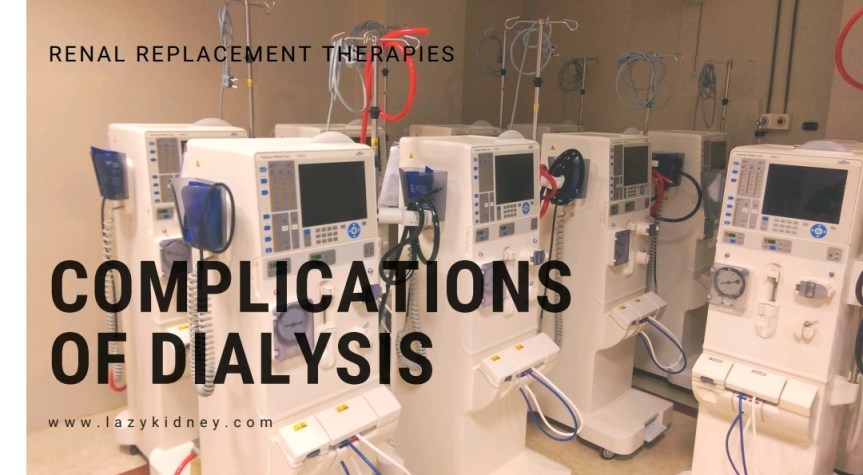
From 7 decades we are treating renal failure patients with dialysis and we came across many complications of this procedure. In this post, we go through a few of the common complications of dialysis, how to avoid and treat these complications and improve the quality of life on dialysis.
 LazyKidney