
Severe infectious diseases like Coronaviruses (CoV), Ebola, etc are said to be public health emergencies and the outbreak of these diseases ends in tragically disruptive events. The prevalence of viral outbreaks among patients treated in hemodialysis facilities is five times higher than among the general population and predisposes the patients to serious consequences. One of the major reasons for the viral outbreak is inappropriate risk management. And the outbreaks are exacerbated when seen along with natural disasters, power outages, and civil disturbance. In the middle of the widespread of infectious diseases, Health Care Workers (HCW’s) experience a huge amount of contact with the patients and thus subject to substantial risks, these risks increase with shortage of HCW’s at the period of outbreak and become worse with lack of supply of personal protective equipment (PPE) and basic reserves such as power and water.
Tag: Dialysis Patients
Complications Of Dialysis
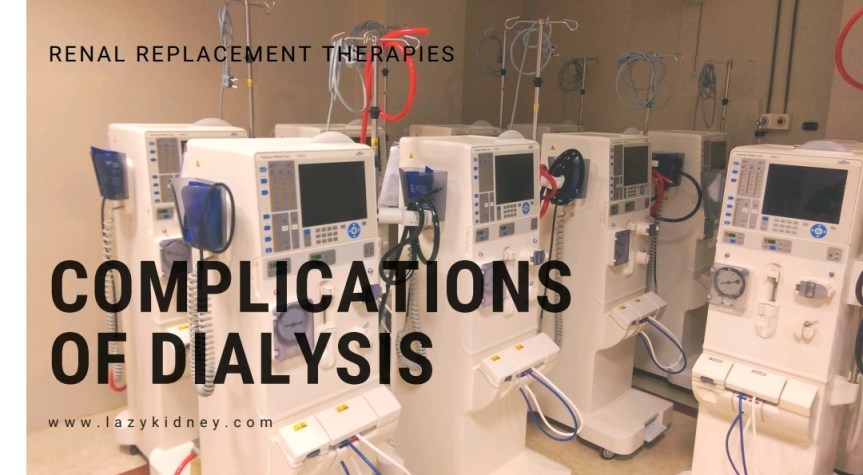
From 7 decades we are treating renal failure patients with dialysis and we came across many complications of this procedure. In this post, we go through a few of the common complications of dialysis, how to avoid and treat these complications and improve the quality of life on dialysis.
Taking Care Of Dialysis Catheter
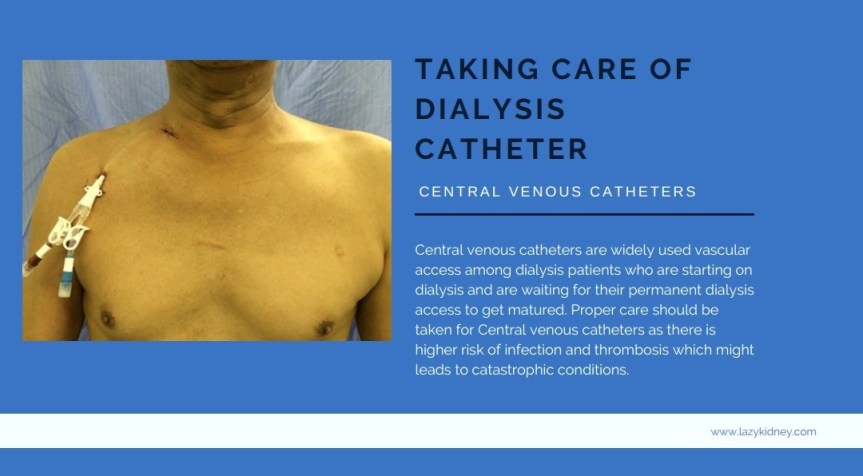
Dialysis catheters are also called as Central Venous Catheters (CVC). CVC are widely used vascular access among dialysis patients who are starting on dialysis and are waiting for their permanent dialysis access to get matured. Proper care should be taken for CVC as there is a higher risk of infection and thrombosis which might lead to catastrophic conditions.
Why blood pressure should not be checked from dialysis access arm?
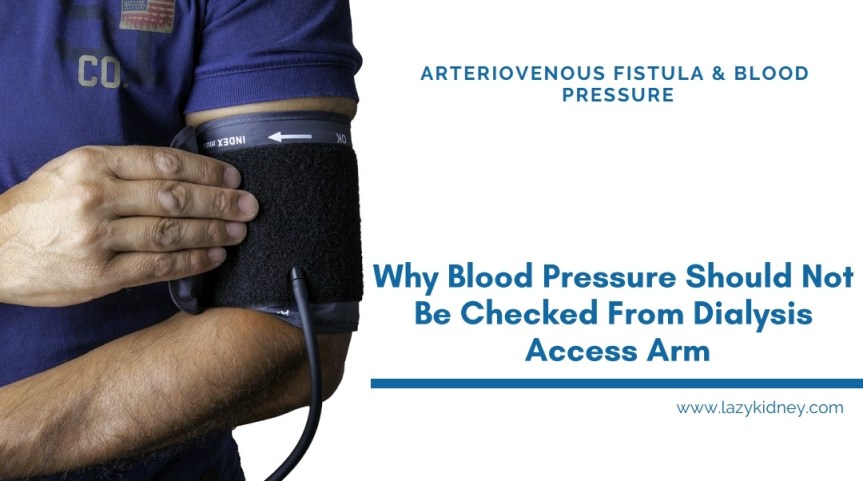
Blood pressure is the pressure of blood on the walls of arteries as the heart pumps it around the body. Blood pressure, especially in dialysis patients, will be abnormal due to many factors that include abnormal blood composition and hormonal dysfunction that requires repeated measurement of blood pressure in these individuals.
Simple Techniques To Stop Bleeding From A Mature Arteriovenous Fistula & Graft

Acute blood loss through vascular access can be a life-threatening problem, blood loss through Arteriovenous Fistula (AVF) & Graft can be from aneurysms, stenosis and subsequent rupture, infection, trauma, suicide and use of anticoagulants and antiplatelet drugs.
Simple Tests to Detect Serious Arteriovenous Fistula Complications in Hemodialysis Patients

The complication rate of Arteriovenous fistula (AVF) is low compared with Arteriovenous graft and Central venous catheters. Still, the most common complications associated with a mature hemodialysis arteriovenous fistula are an aneurysm, fistula thrombosis, infection, stenotic vascular lesions, access recirculation, and extremity ischemia.
8 Methods To Inspect An AV Fistula

Physical examination is the best method to inspect and detect common problems associated with an arteriovenous fistula (AVF). Physical examinations of AVF should be done on every Hemodialysis treatment, if not at least once a week. Inspection of the access arm should not be neglected.
Action Of Erythropoietin In Dialysis Patients

Erythropoietin therapy is one of the greatest inventions in Nephrology and it changed the way we treat anemic patients, which we were only dependent on blood transfusions in the past. Erythropoietin therapy is the easiest way to treat anemia in CKD
Erythropoietin Therapy

Erythropoietin therapy is one of the greatest inventions in Nephrology and it changed the way we treat anemic patients, which we were only dependent on blood transfusions in the past. Erythropoietin is a 165 amino acid secreted glycoprotein. Recombinant erythropoietin is available in two forms α-epoetin and β-epoetin and Darbepoetin is a longer acting erythropoietin with the half-life approximately three folds longer than recombinant erythropoietin. 1µg darbepoetin is equal to 200 IU OF erythropoietin.This has been achieved by adding two extra N – linked carbohydrate side – chains to the erythropoietin molecule. As a result, darbepoetin requires less frequent dosage, usually once a week or once in every two weeks and sometimes only once a month in stable hemodialysis patients.
Management of Anemia in Chronic Kidney Disease (CKD)
There are two important reasons to correct anemia in renal failure patients. One is to improve or reverse the symptoms associated with renal anemia, and the second is to seize or reverse the deleterious effect of long-standing anemia on the heart and other organs which lead to improved cardiovascular morbidity and mortality in dialysis patients.
 LazyKidney