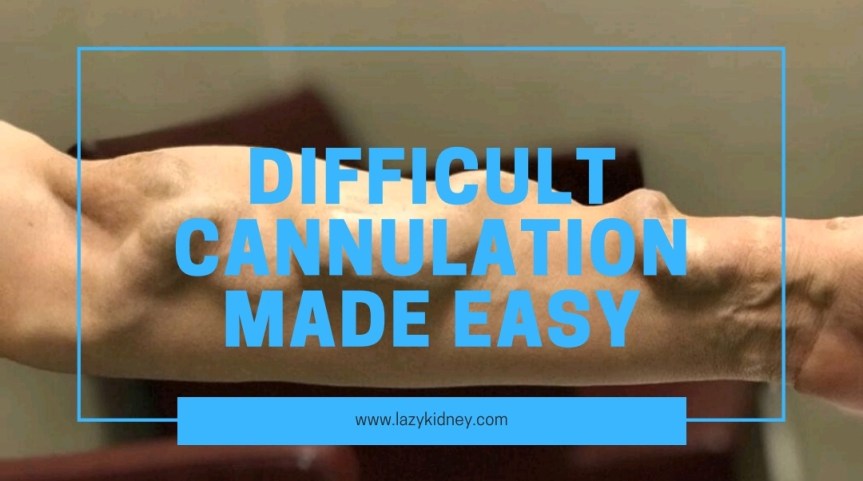
The majority of AVF created does not meet the "Rule of 6s" which makes it difficult to cannulate. And many AVF have prominent bruit and thrill but veins are present deep which makes it difficult to find the vein and cannulate which if not done properly might lead to access-related complications. Because of these reasons the patient has to go back for Central Venous Catheter (CVC) or Arteriovenous Graft (AVG) as their vascular access which is higher in cost and less preferred for maintenance hemodialysis due to its high complication rate compared with AVF. To avoid patients settling with CVC/AVG there are many techniques and procedure which helps make difficult cannulation easy.
Tag: Blood Pressure
How To Overcome Thirst Avoid Fluid Overload And Still Manage To Stay Well Hydrated In Dialysis Patients
Thirst is one of the most powerful urges one can ever have. Especially in dialysis patients, Thirst if not handled in the right way might lead to Fluid Overload which always results in hypertension which damages the heart, causes swelling in arms and legs, puffiness of the face and sometimes breathlessness due to fluid accumulation in the lung cavity making dialysis treatment very difficult.
How to Properly Check Your Blood Pressure
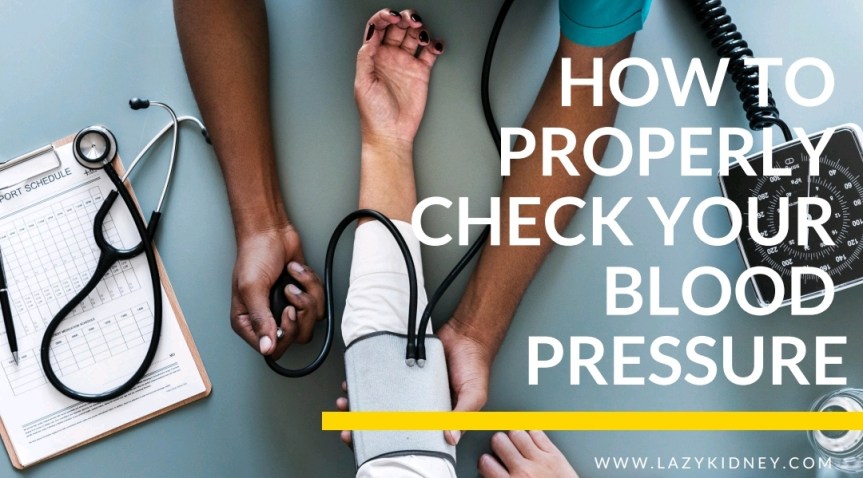
Blood Pressure is the pressure of circulating blood on the walls of blood vessels. The upper number i.e. systolic blood pressure is the pressure when your heart is beating. The bottom number i.e. diastolic blood pressure is the pressure when your heart is resting between beats.
Monitoring Dialysis Patients On Erythropoietin Therapy

At the start of treatment, patients receiving erythropoietin require fairly close monitoring every 2–4 weeks. As a minimum, the hemoglobin should be measured, there should be an assessment of iron status, and blood pressure should be checked.
 LazyKidney