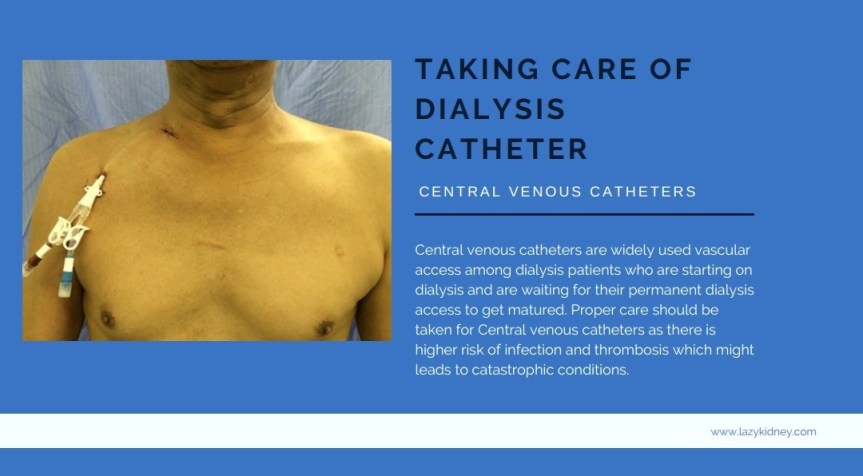
Dialysis catheters are also called as Central Venous Catheters (CVC). CVC are widely used vascular access among dialysis patients who are starting on dialysis and are waiting for their permanent dialysis access to get matured. Proper care should be taken for CVC as there is a higher risk of infection and thrombosis which might lead to catastrophic conditions.
Month: March 2019
Why blood pressure should not be checked from dialysis access arm?
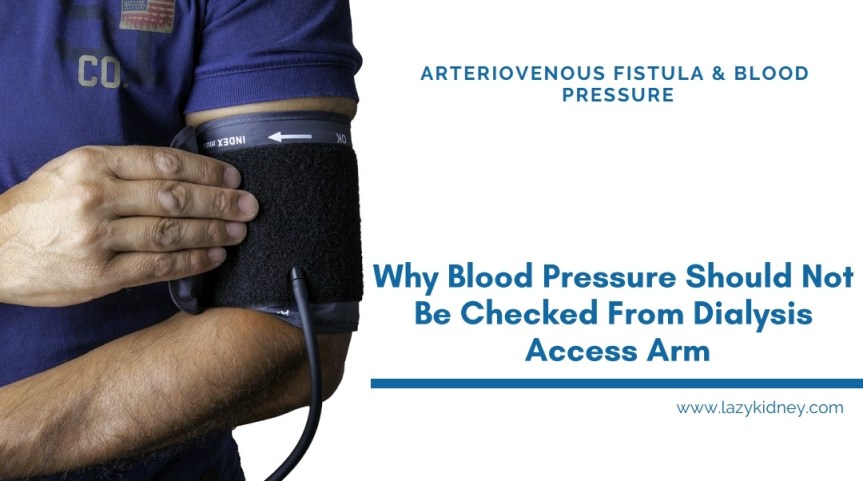
Blood pressure is the pressure of blood on the walls of arteries as the heart pumps it around the body. Blood pressure, especially in dialysis patients, will be abnormal due to many factors that include abnormal blood composition and hormonal dysfunction that requires repeated measurement of blood pressure in these individuals.
Simple Techniques To Stop Bleeding From A Mature Arteriovenous Fistula & Graft

Acute blood loss through vascular access can be a life-threatening problem, blood loss through Arteriovenous Fistula (AVF) & Graft can be from aneurysms, stenosis and subsequent rupture, infection, trauma, suicide and use of anticoagulants and antiplatelet drugs.
Simple Tests to Detect Serious Arteriovenous Fistula Complications in Hemodialysis Patients

The complication rate of Arteriovenous fistula (AVF) is low compared with Arteriovenous graft and Central venous catheters. Still, the most common complications associated with a mature hemodialysis arteriovenous fistula are an aneurysm, fistula thrombosis, infection, stenotic vascular lesions, access recirculation, and extremity ischemia.
8 Methods To Inspect An AV Fistula

Physical examination is the best method to inspect and detect common problems associated with an arteriovenous fistula (AVF). Physical examinations of AVF should be done on every Hemodialysis treatment, if not at least once a week. Inspection of the access arm should not be neglected.
 LazyKidney