CARDIOVASCULAR EFFECTS OF ERYTHROPOIETIN
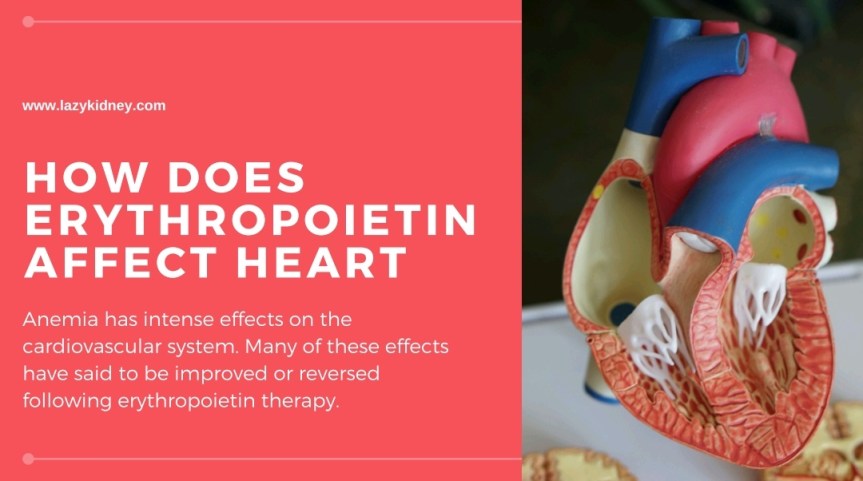
Anemia has intense effects on the cardiovascular system. Many of these effects have said to be improved or reversed following erythropoietin therapy.
These are some of the cardiovascular effects of erythropoietin:
- Normalization of elevated cardiac output with correction of anemia.
- Hypoxic vasodilatation is reversed by producing an increase in peripheral vascular resistance.
- Mean arterial blood pressure increases in 20–30% of patients.
- Improvement in oxygen delivery to the myocardium, resulting in a reduction in symptoms of angina and exercise-induced myocardial ischemia.
- The decrease in Left ventricular internal dimensions following erythropoietin therapy.
- Decreased Left ventricular hypertrophy.
- Reduction of a cardiac size decrease in the internal dimension of the left ventricle in both systole and diastole after erythropoietin therapy.
- Exercise tolerance, maximum oxygen consumption, anaerobic threshold, and carbon monoxide transfer factor have all been shown to increase.
NON-CARDIOVASCULAR EFFECTS OF ERYTHROPOIETIN
- The possibility of vascular access thrombosis is increased with erythropoietin therapy.
- Reduction in uremic bleeding tendency along with increased platelet function.
- The prothrombotic state may develop due to the increase in blood viscosity. Rheological studies have indicated that the increase in blood viscosity occurs as a result of the larger quantity of circulating red cells, without any change in plasma viscosity.
- Increased quality of life is seen following erythropoietin therapy.
- IncreasedBrain/Cognitive function.
- Improved libido, potency and sexual performances in males and return of regular menstruation and even pregnancy have reported in female dialysis patients an increase in prolactin or testosterone levels after erythropoietin therapy.
- Increase in endocrine function have been reported in association with erythropoietin include suppressive effects on the renin-angiotensin system, the pituitary-adrenal axis, growth hormone levels, glucagon, gastrin, follicle-stimulating hormone, and luteinizing hormone, reported increases in plasma insulin, parathyroid hormone, and atrial natriuretic peptide.
- Increase in the immune function by progressively decreases the circulating cytotoxic antibodies. Increase in immunoglobulin production and proliferation of B cells and an enhanced seroconversion response to hepatitis B vaccination seen following erythropoietin therapy.
- Decreased uremic pruritus due to the reduction in the plasma histamine concentration.
- Increased nutritional status.
 LazyKidney